EDITORIAL CORPUS · CARDS
Cards in Commander
Every Magic: The Gathering Commander card on this site, organized by what it does. The corpus contains 26,686 analyzed card pages — staples, niche role-players, and budget alternatives — with strategic analysis grounded in actual play patterns from thousands of decks. Browse by color identity, type, function, or budget. The cards below are the 50 most-played across the entire format, ordered by inclusion rate. The full corpus runs deeper than the staples; each card page covers what it does, which commanders want it, and what to play instead at lower budget.
Browse the corpus
BY COLOR
Color identity
7 categories
White · Blue · Black · Red · Green · Colorless · Multicolor
BY TYPE
Card type
8 categories
Creatures · Lands · Instants · Sorceries · Artifacts · Enchantments · Planeswalkers · Battles
BY ROLE
Deck function
7 categories
Ramp · Removal · Card Draw · Board Wipes · Tutors · Win Conditions · Protection
BY BUDGET
Price tier
4 tiers
Under $1 · Under $5 · Under $20 · Premium
More on Scryfall: Commander-legal cards on Scryfall
Top 50 cards in Commander
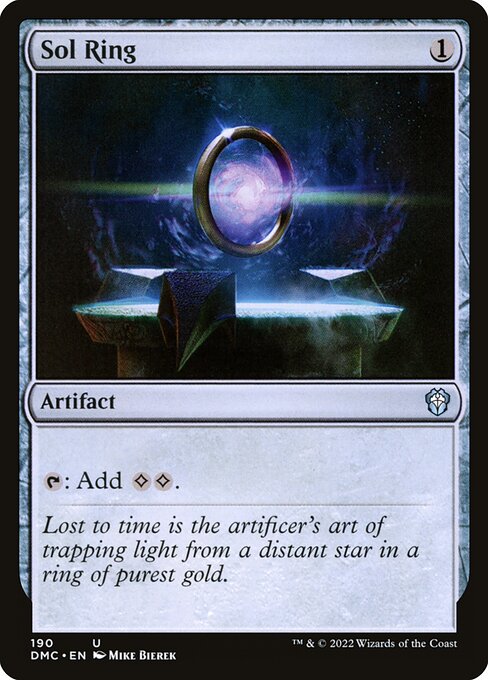
Sol Ring
$1.23 #1

Command Tower
$0.29 #2
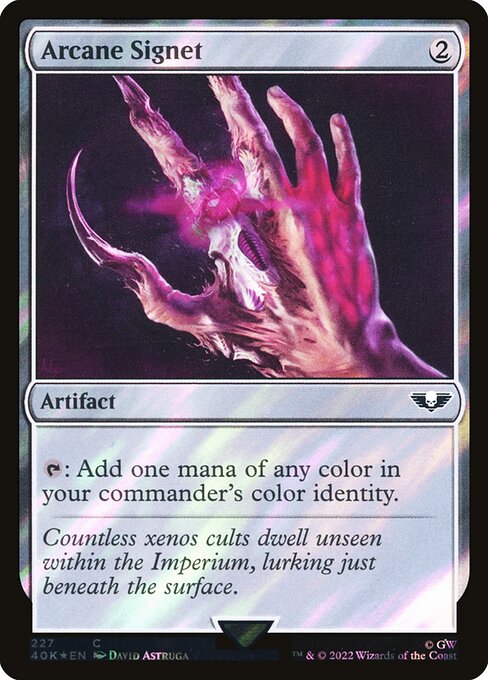
Arcane Signet
$0.40 #3
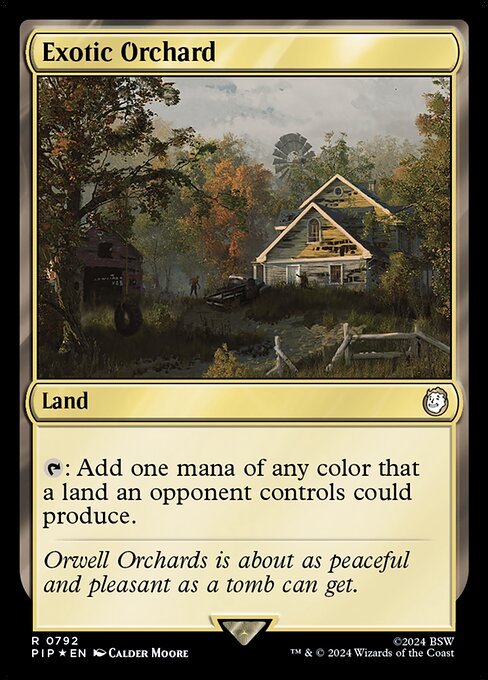
Exotic Orchard
$0.21 #9
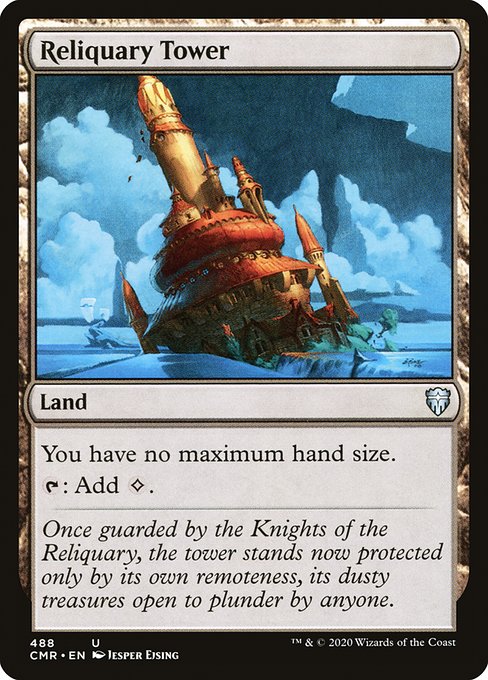
Reliquary Tower
$2.87 #10
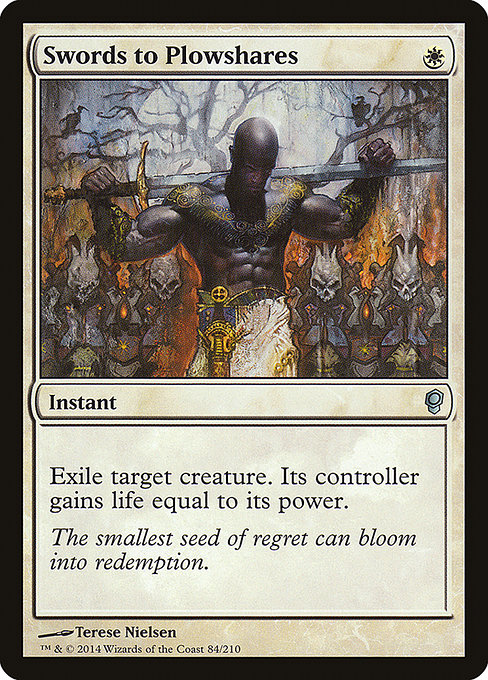
Swords to Plowshares
$1.17 #11
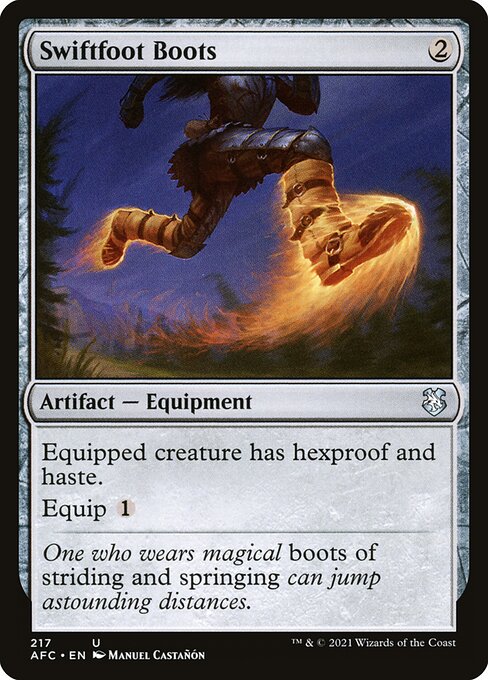
Swiftfoot Boots
$1.71 #12
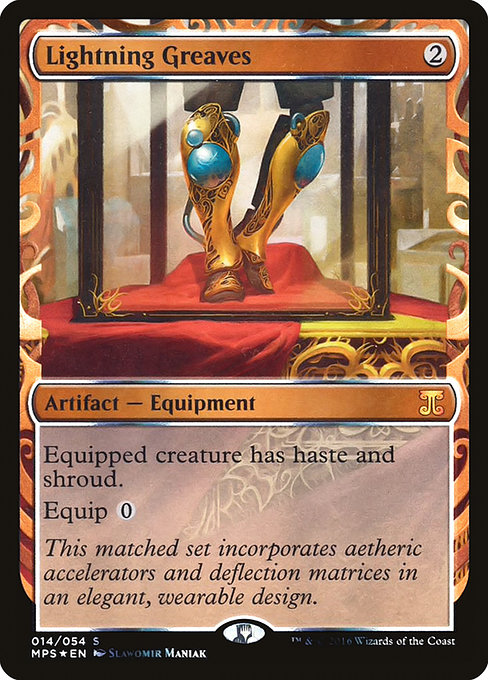
Lightning Greaves
$3.15 #13

Path of Ancestry
$0.19 #14
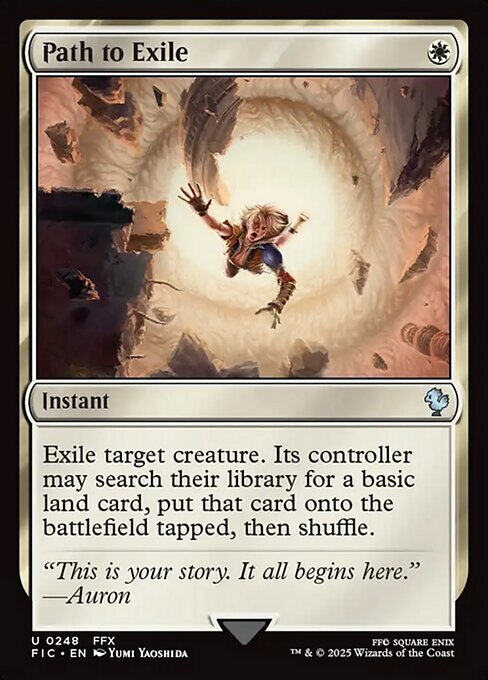
Path to Exile
$1.06 #15
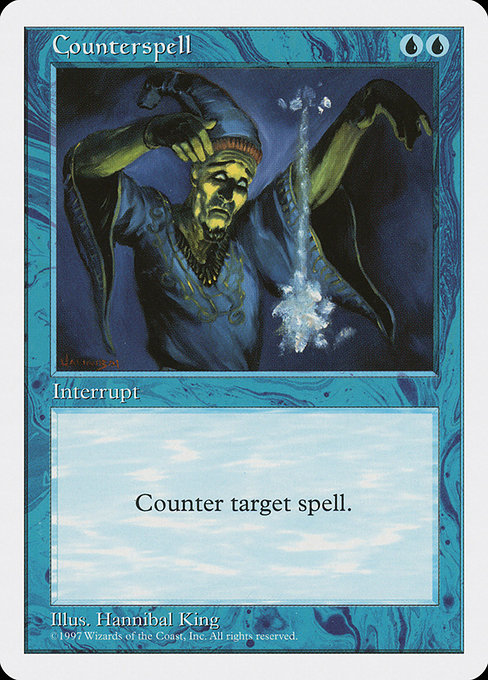
Counterspell
$0.25 #16
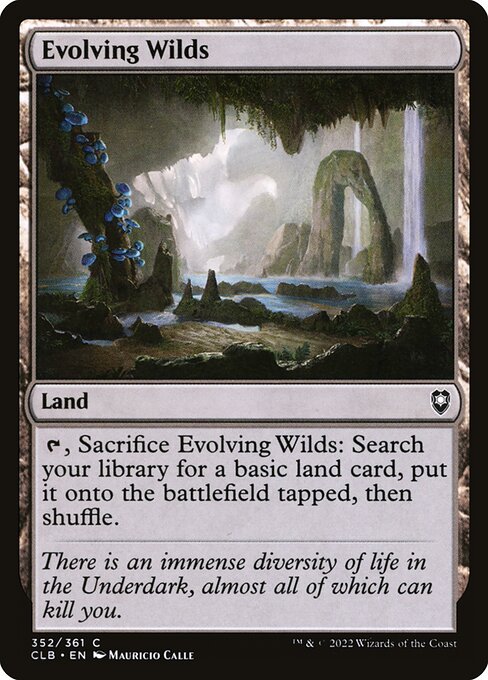
Evolving Wilds
$0.09 #17
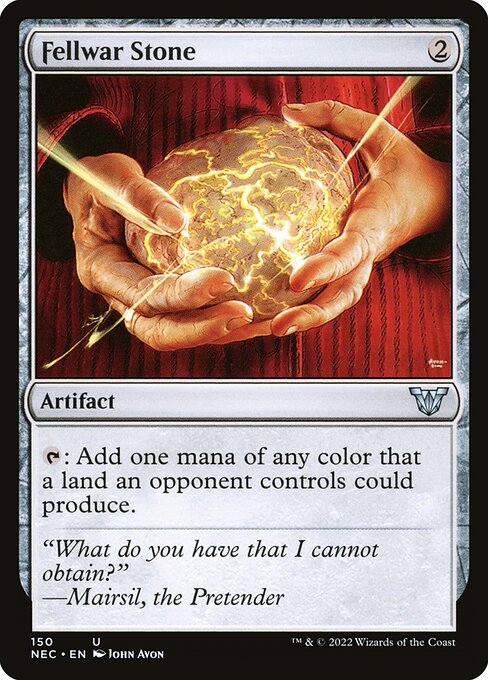
Fellwar Stone
$0.64 #18
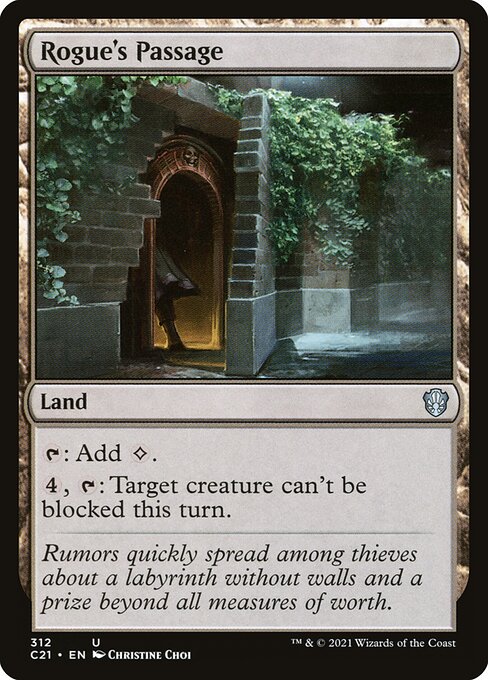
Rogue's Passage
$0.35 #19
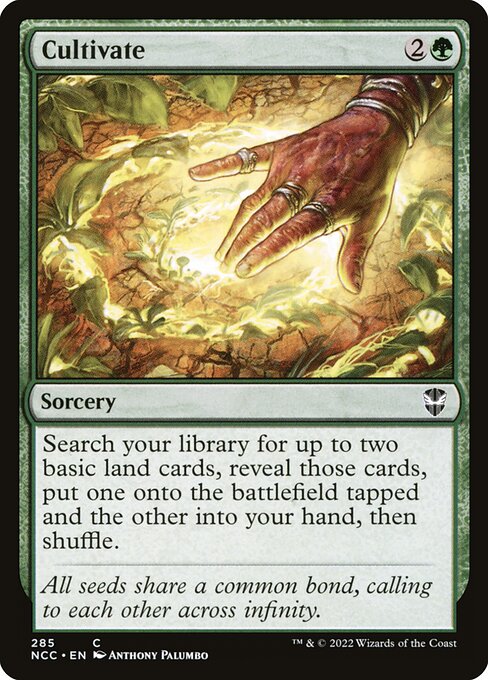
Cultivate
$0.32 #20
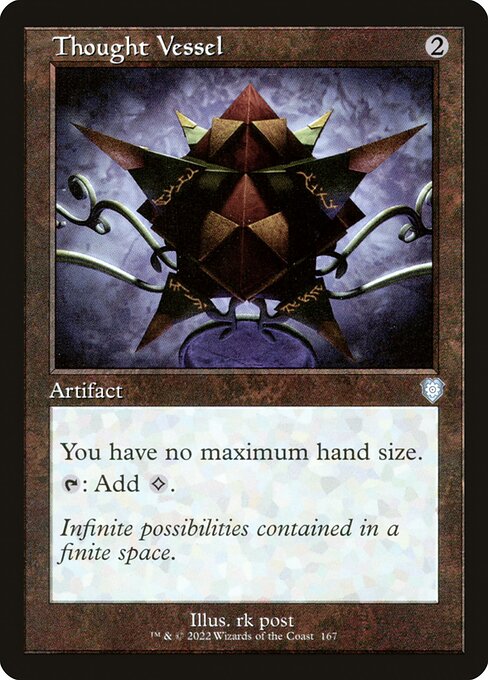
Thought Vessel
$2.02 #21
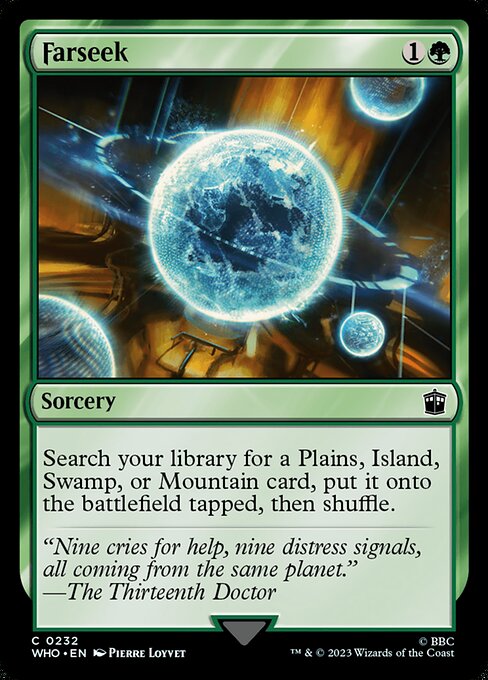
Farseek
$0.59 #22
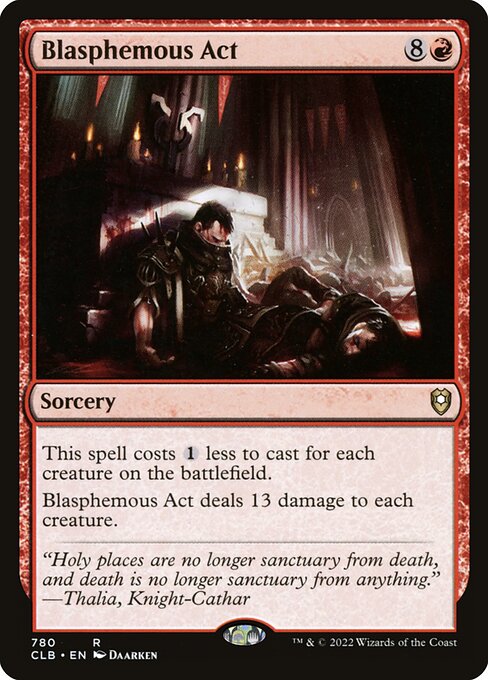
Blasphemous Act
$0.75 #23
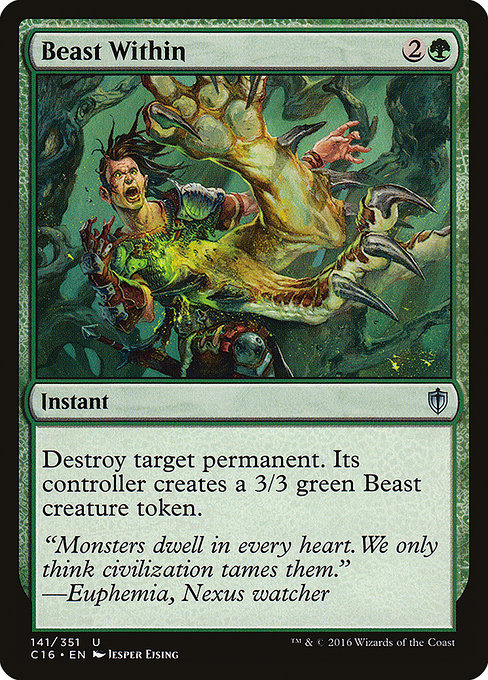
Beast Within
$0.50 #24
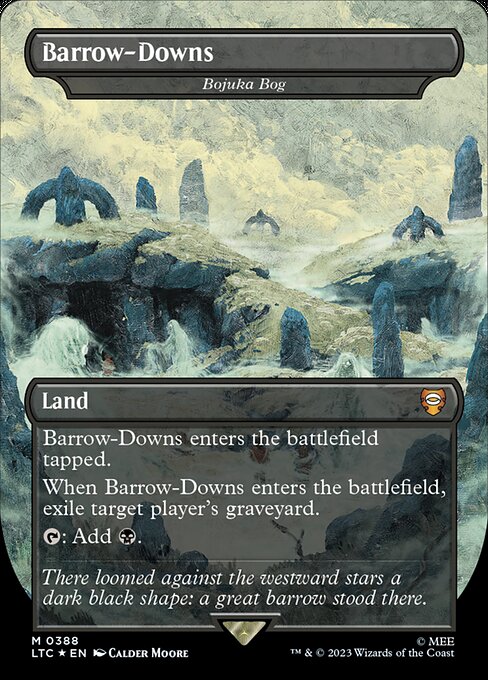
Bojuka Bog
$0.65 #25
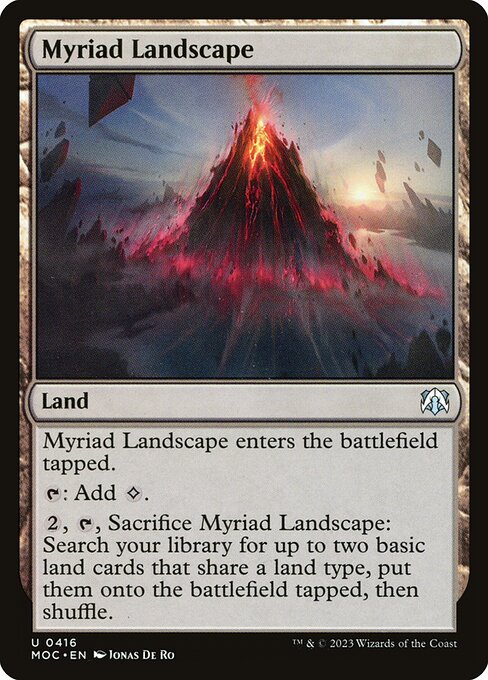
Myriad Landscape
$0.22 #26
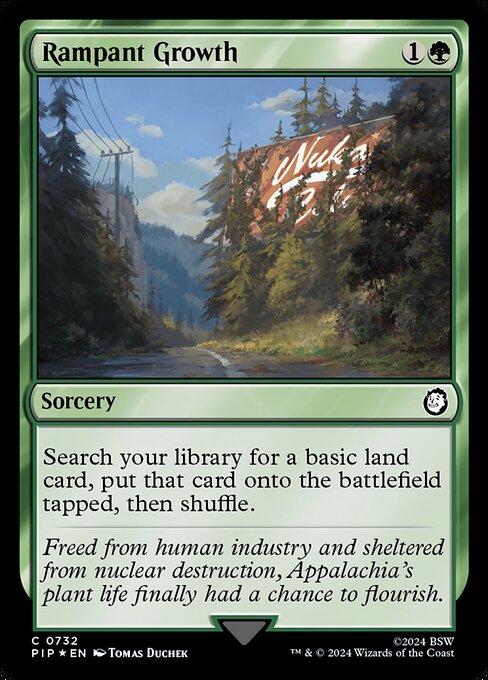
Rampant Growth
$0.35 #27
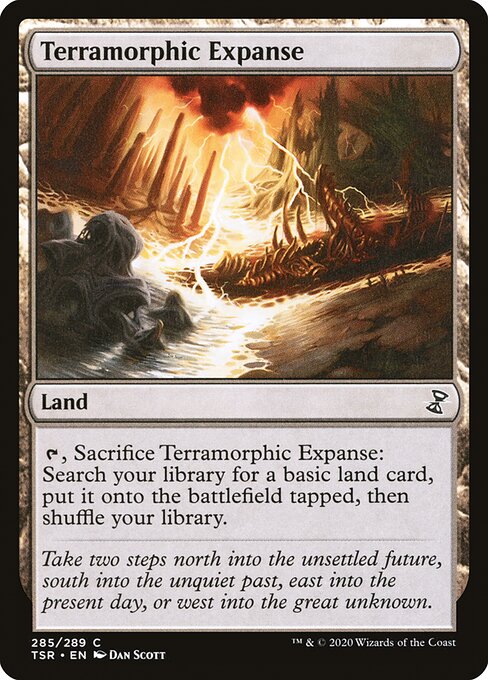
Terramorphic Expanse
$0.13 #28
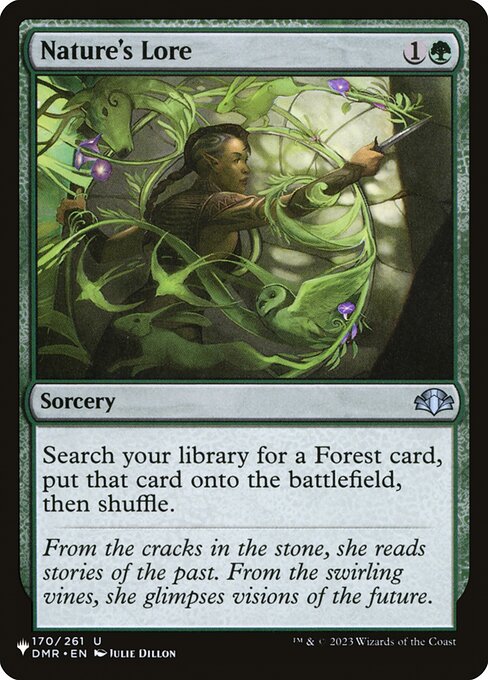
Nature's Lore
$2.10 #29
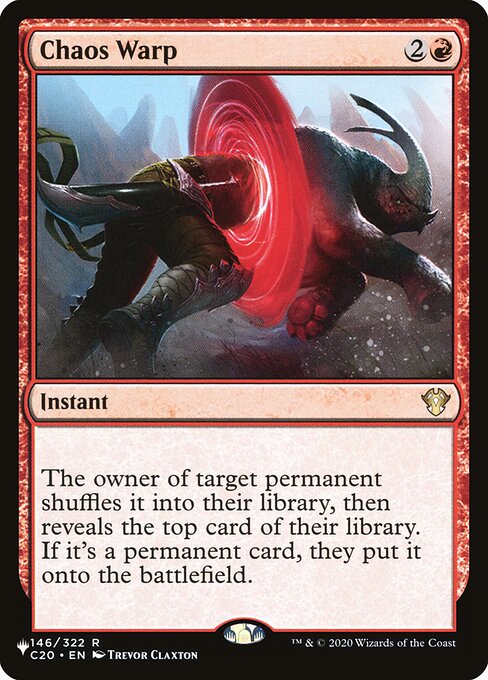
Chaos Warp
$0.34 #30
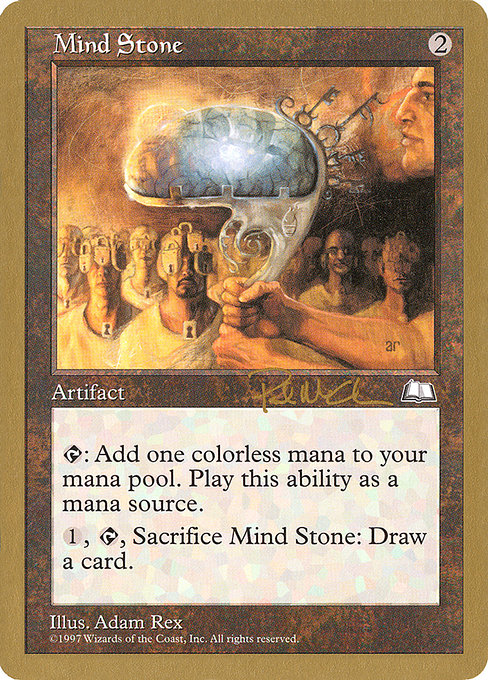
Mind Stone
$0.22 #31
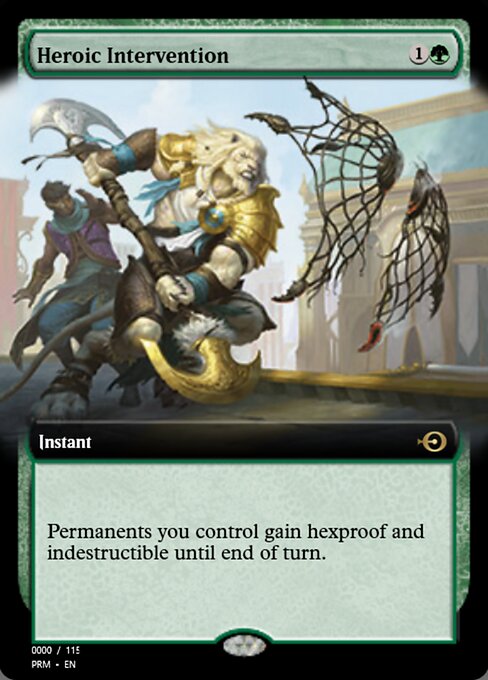
Heroic Intervention
$12.92 #32
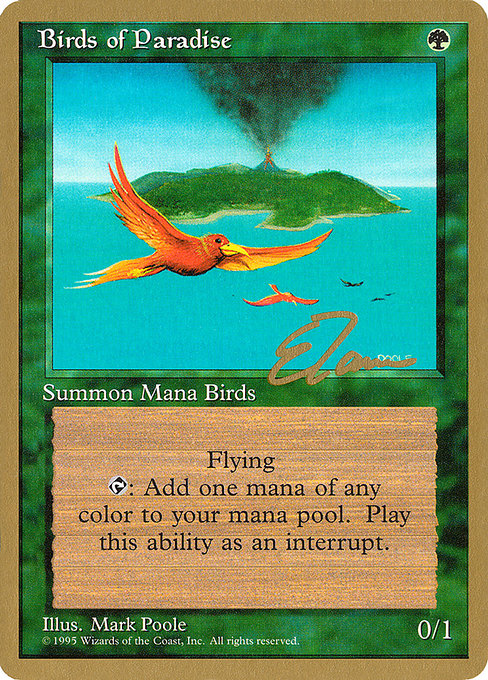
Birds of Paradise
$4.98 #33
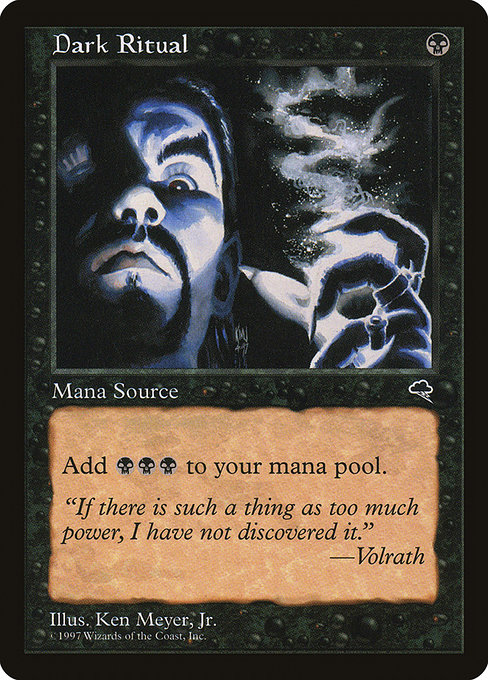
Dark Ritual
$3.49 #34
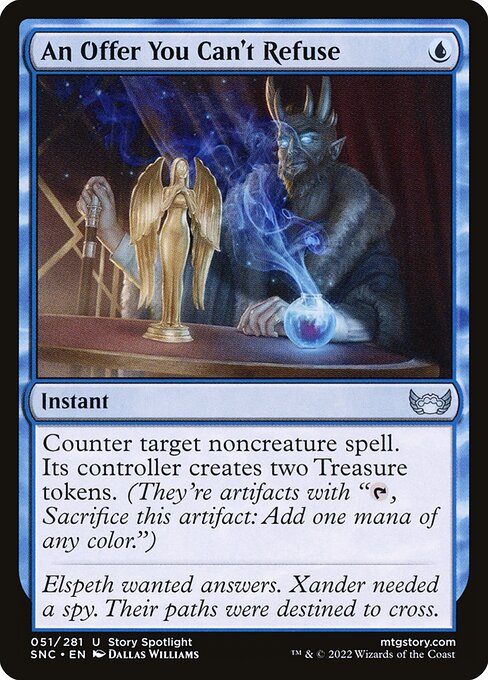
An Offer You Can't Refuse
$2.20 #35
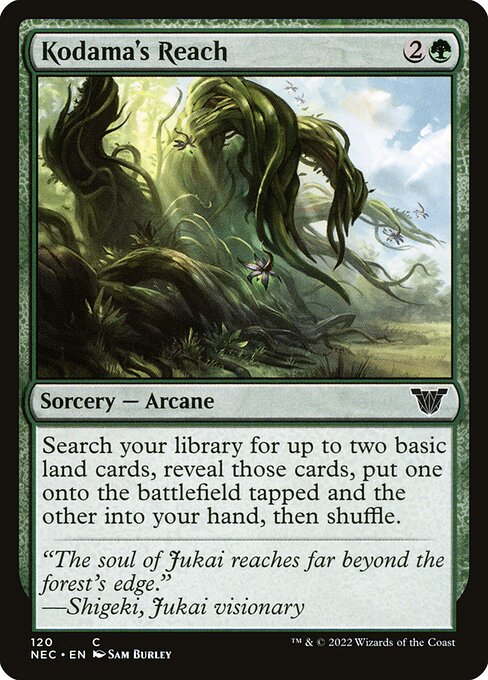
Kodama's Reach
$1.09 #36
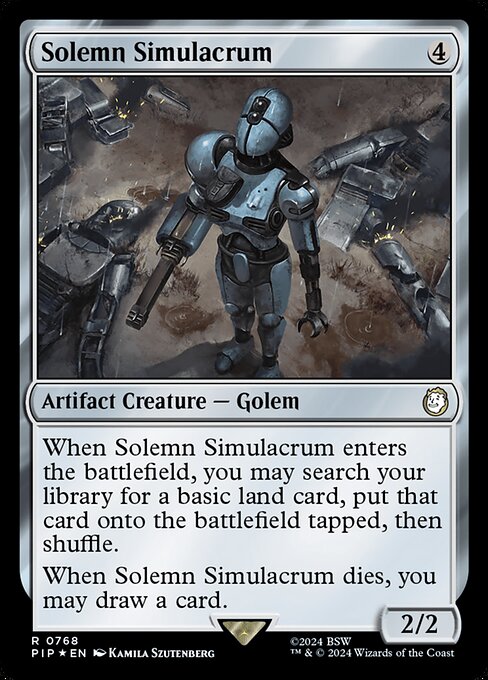
Solemn Simulacrum
$0.29 #37
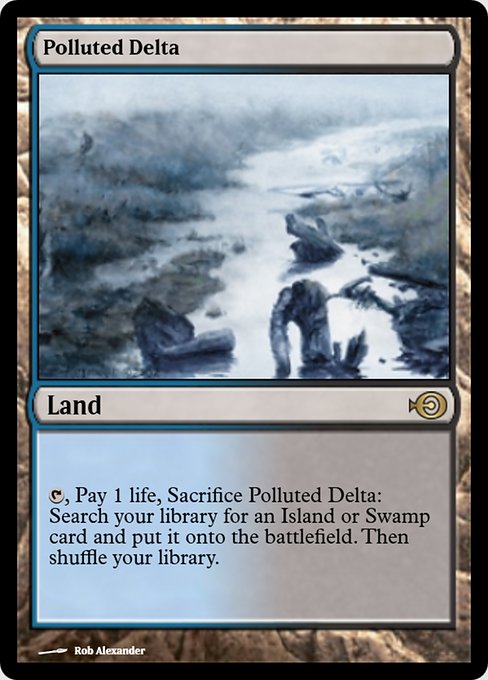
Polluted Delta
$19.06 #38
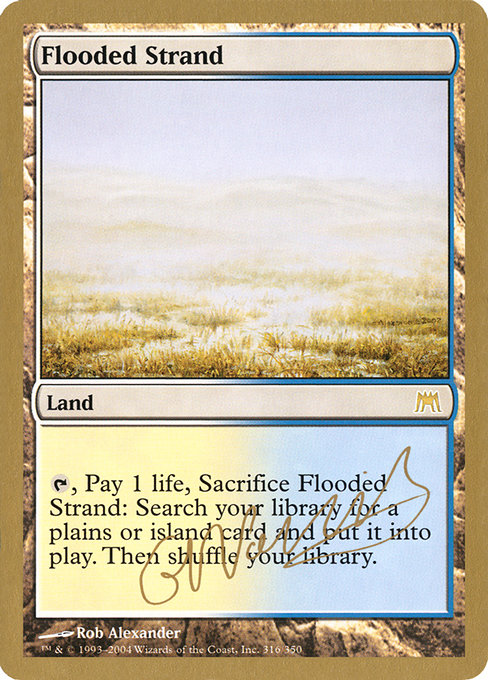
Flooded Strand
$11.37 #39
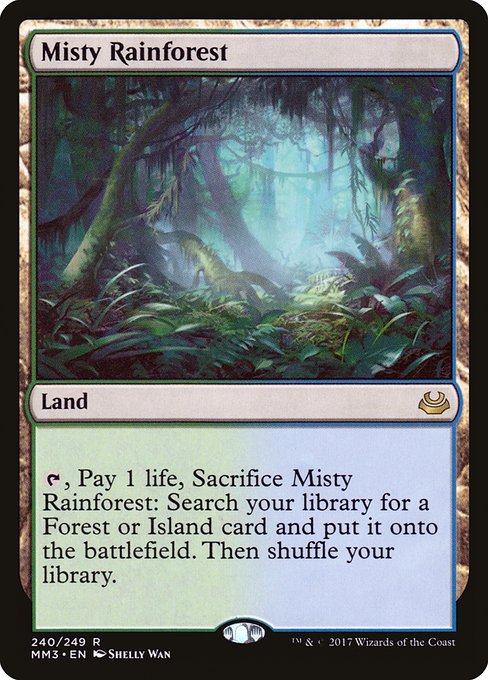
Misty Rainforest
$33.93 #40
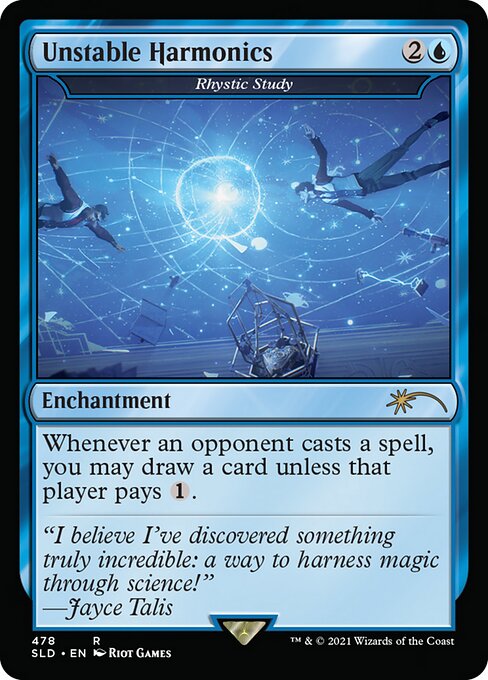
Rhystic Study
$58.70 #41
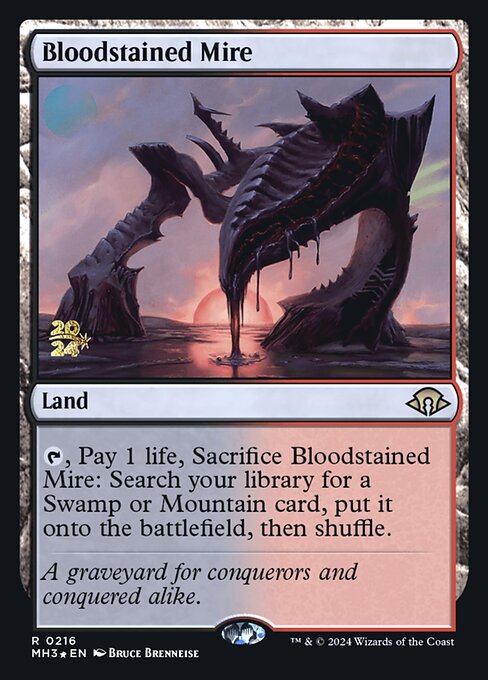
Bloodstained Mire
$13.78 #42
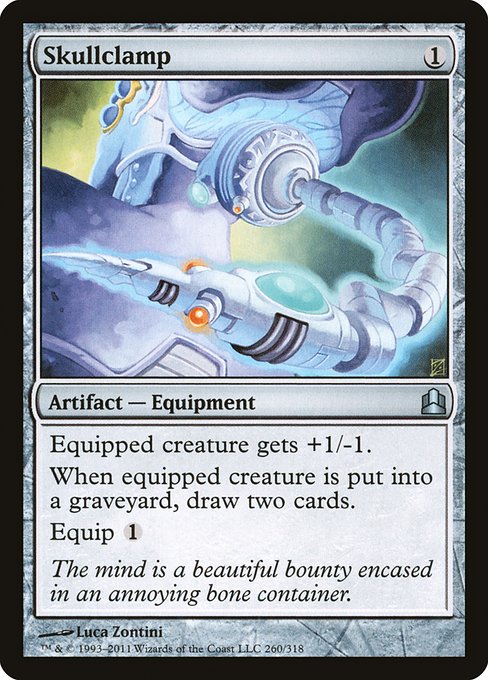
Skullclamp
$5.06 #43
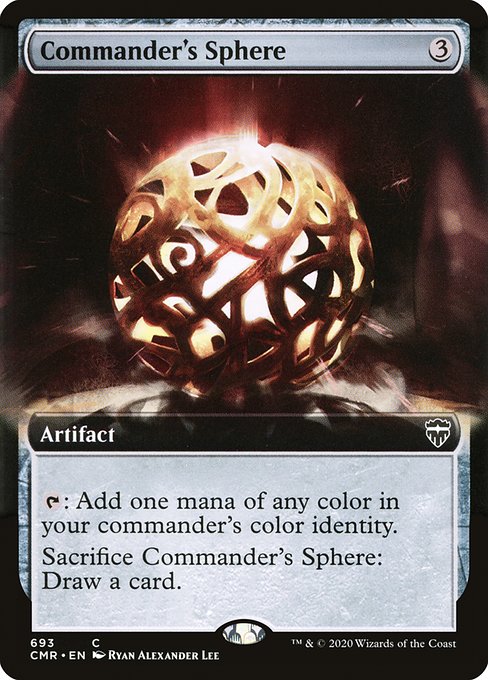
Commander's Sphere
$0.20 #44
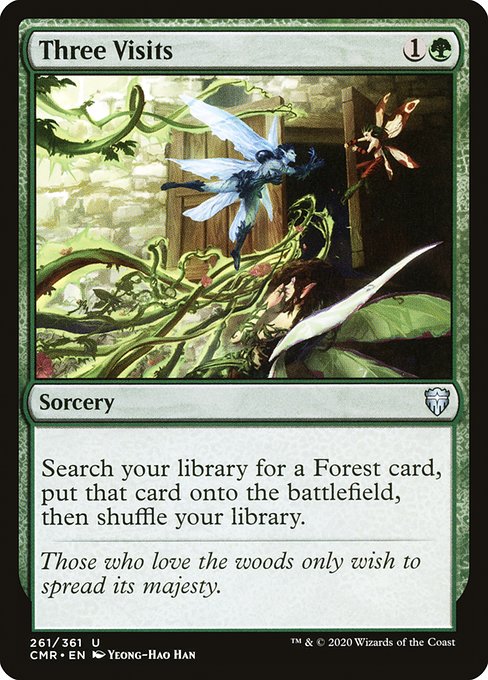
Three Visits
$5.19 #45
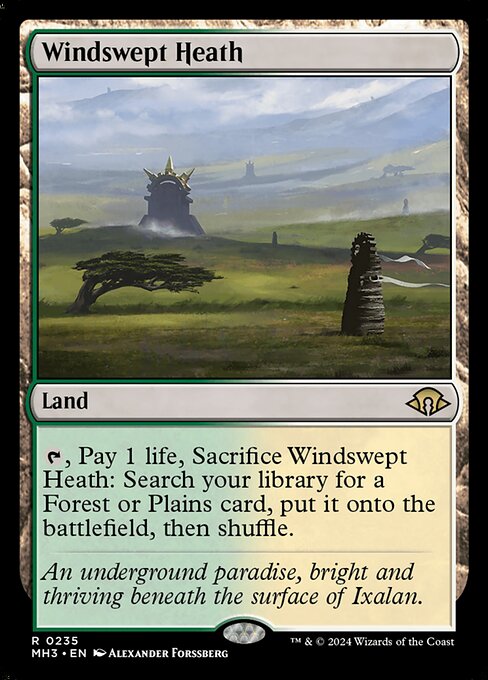
Windswept Heath
$10.60 #46
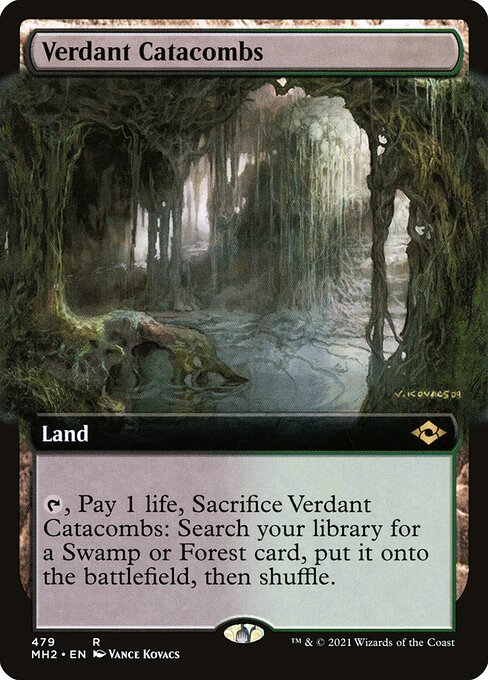
Verdant Catacombs
$30.11 #47
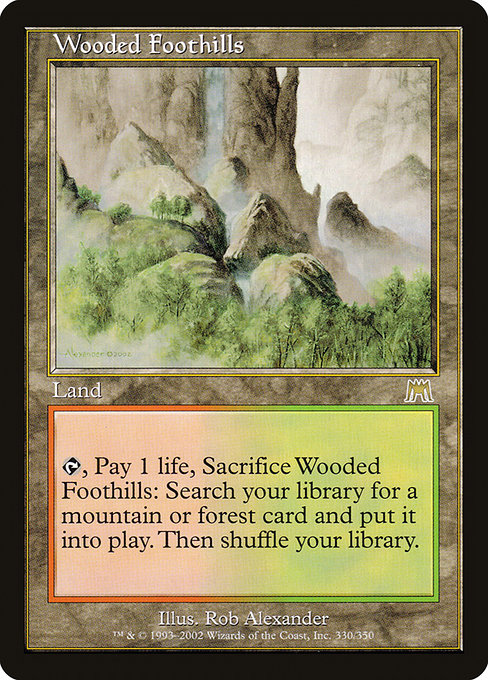
Wooded Foothills
$15.91 #48
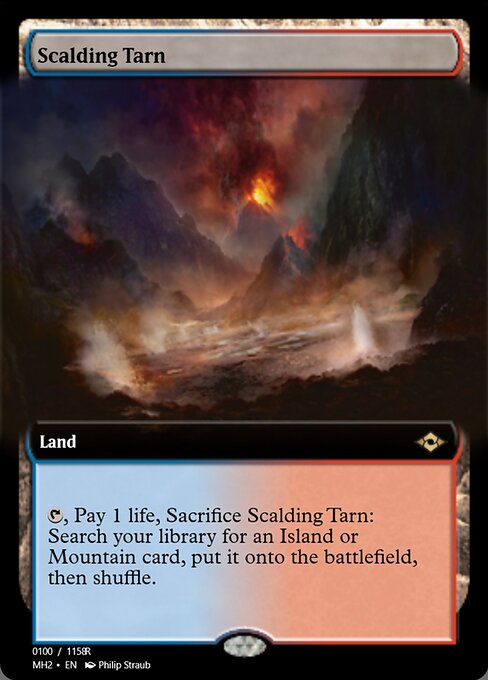
Scalding Tarn
$36.20 #49
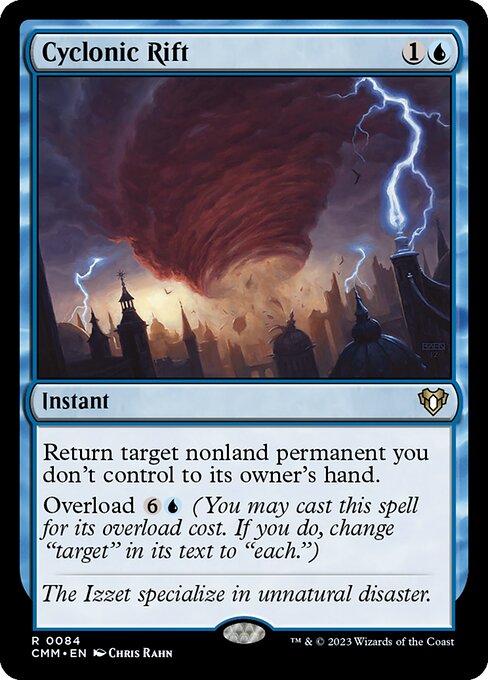
Cyclonic Rift
$31.16 #50
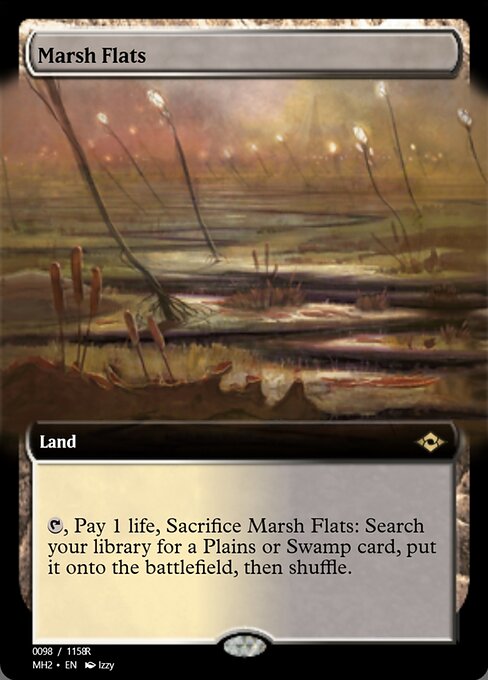
Marsh Flats
$28.87 #51
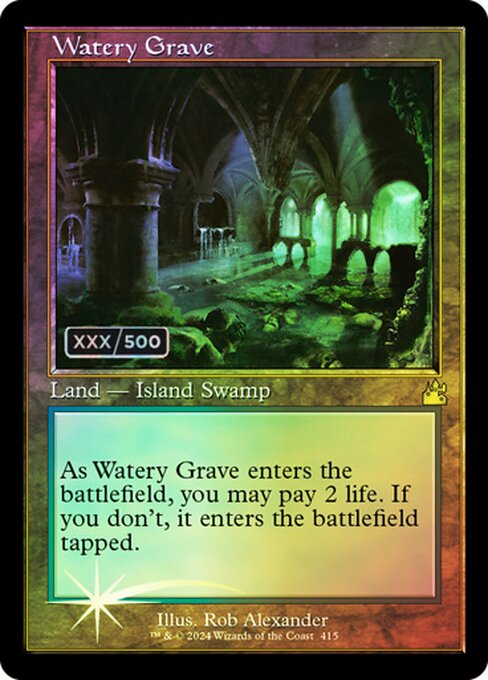
Watery Grave
$10.91 #52
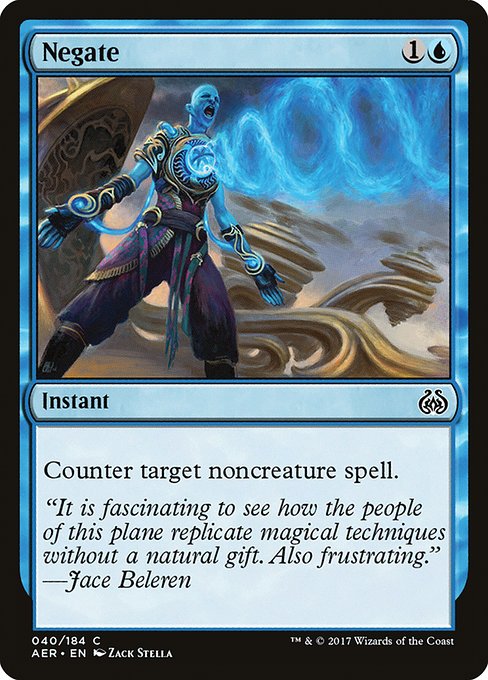
Negate
$0.15 #53
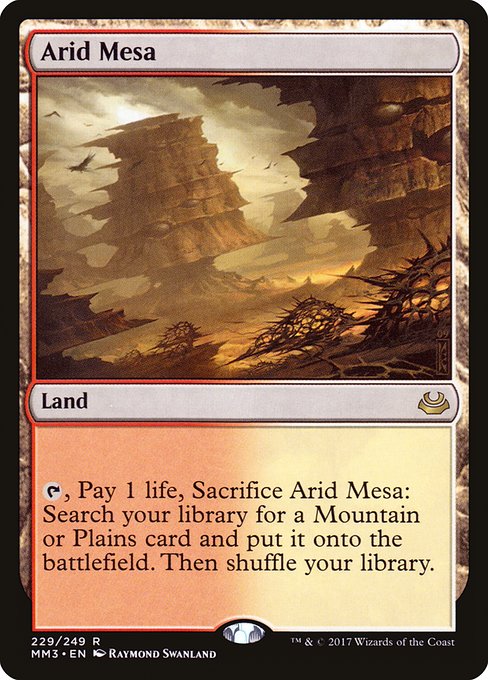
Arid Mesa
$34.59 #54
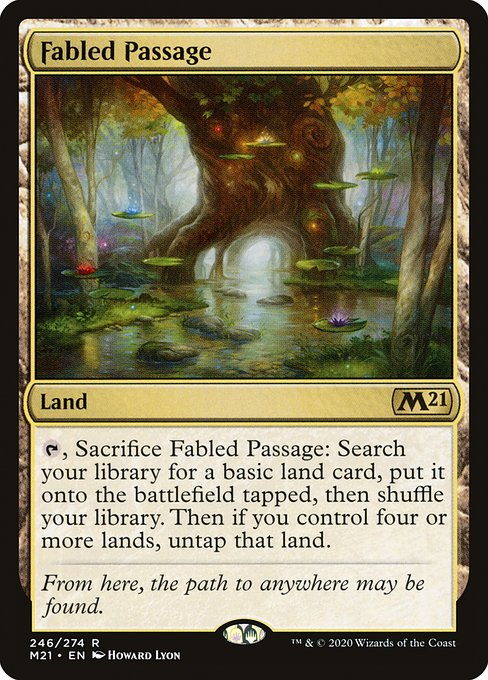
Fabled Passage
$1.00 #55
Why the colorless staples matter
The most-played cards in the entire corpus are colorless, and that's not an accident. Sol Ring, Command Tower, and Arcane Signet appear in the overwhelming majority of competitive and casual lists alike because they cost nothing in deckbuilding terms — every color identity can run them, and every strategy benefits from fixing mana and generating it faster. These are the baseline. A deck without them is handicapping itself for no reason.
Removal that defines the format
Beyond the colorless staples, the format's most-played colored cards cluster into three functions. The first is single-target removal that punches above its mana cost: Swords to Plowshares and Path to Exile exile at instant speed for one mana, which is a rate no other color matches. Counterspell and Cyclonic Rift define blue's interaction suite — one hard answer, one asymmetric reset that effectively wins games from behind. Toxic Deluge is the premier black board wipe because it ignores indestructible and scales to any board state. Blasphemous Act is red's equivalent: almost always one mana in a creature-heavy format.
Resource generation and ramp
The second function is resource generation. Rhystic Study taxes the entire table and draws cards on nearly every opponent's turn. Smothering Tithe creates Treasure on every draw step that isn't paid for, accelerating into absurdity within a few rotations. Esper Sentinel performs a similar tax role for one mana. On the green side, Cultivate, Farseek, Rampant Growth, and Nature's Lore show up because consistent land drops in turns two through four beat any amount of late-game power — ramp isn't exciting, but it's why green decks reliably cast their commanders on curve.
Tutoring and graveyard hate
The third function is tutoring and selective graveyard interaction. Demonic Tutor is the gold standard because it finds anything for two mana at sorcery speed — no card in the format converts mana to answers more efficiently. Reanimate turns any graveyard into a resource. Bojuka Bog hoses graveyard strategies at no card cost.
Format-bending utility
Generous Gift and Beast Within earn their ubiquity by handling permanent types that other removal misses — enchantments, planeswalkers, lands. No answer in white or green is cleaner. Chaos Warp fills the same role in red, randomizing a threat when no other option exists.
What this distribution tells you is that Commander punishes decks that skip interaction or run their mana inefficiently, and rewards decks that answer threats cleanly and refill hands quickly. The cards at the top of these popularity charts aren't there because they're flashy — they're there because they've been tested across millions of games and they work.
Commander rewards decks built around the format's structural realities: long games, four players, asymmetric threat assessment. The cards that earn their place across thousands of public decks aren't optimization for one quirk — they answer questions every deck eventually faces. Browse the full corpus by category above, or jump into the top 50 staples below to see what every Commander deck is competing against. Every card page links to the commanders that want it, the combos it enables, and budget alternatives at $5, $1, and pennies. Start anywhere — the right rabbit hole finds you.